
 Welcome
to the
Department of Nuclear Engineering!
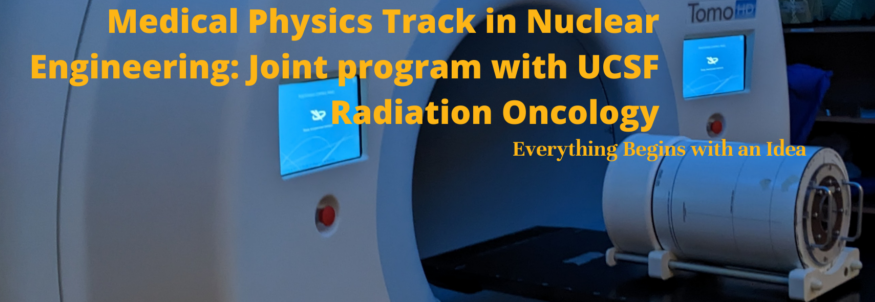
Nuclear Engineering Colloquiums
The Department of Nuclear Engineering regularly hosts colloquiums from academic and industry professionals. For more events that may be of interest, check out the campus-wide UC Berkeley Events calendar, or our NE Colloquium archive.
Stay tuned for future NE colloquium announcements!
World-Class Education
UC Berkeley Nuclear Engineering consistently ranks as one of the top programs in the world.
LEARN MORELeaders in Research
Our researchers investigate questions in energy, waste management, fusion, fission, materials, and risk safety analysis.
LEARN MORECollaborate with us
We actively seek industry and government partnerships to work with our world-class faculty and students on short and long-term projects.
BECOME A PARTNERGive to UCBNE
Donate today to help us continue as a world leader in Nuclear Engineering.
DONATE NOW
 4153 Etcheverry Hall, MC 1730 (map) University of California
Berkeley, California 94720
510-642-4077 Student Services agill@berkeley.edu
510-642-5760